Helicopter Transport Nepal: How the Booking Actually Works?
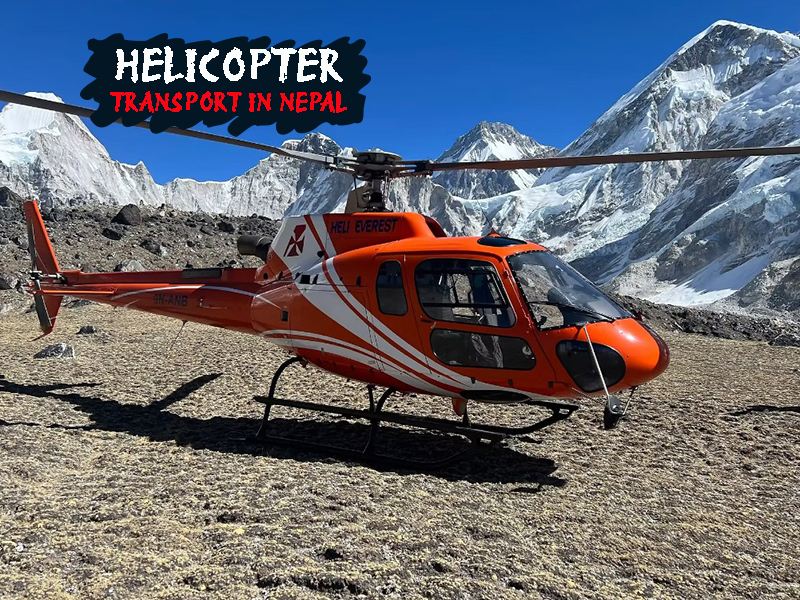
Helicopter transport in Nepal covers a wider range of services than most first-time visitors expect!
It is not just Everest sightseeing. It includes mountain charters, trekking transfers, cargo runs to villages with no road access, and emergency rescue flights. Understanding which category applies to your trip changes how you should plan, budget, and book!
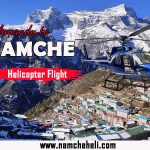
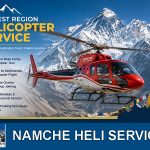
Our team at Namche Heli Service operate out of the Khumbu region ourselves, so this guide reflects what we see travelers actually ask before they fly, not generic tourism copy.
What Falls Under Helicopter Transport in Nepal?
Nepal’s helicopter industry splits into four broad categories, and most operators, including us, work across all four:
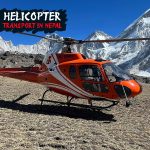
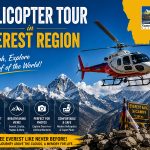
- Sightseeing and tours: An Everest helicopter tour or Everest Base Camp helicopter tour flies you close to the mountains without landing partway through a multi-day walk. These trips usually depart Kathmandu early and return the same morning.
- Point-to-point transfers: These move trekkers between specific villages on the Everest trail, often to skip a section that adds little scenic value.
- Rescue and medical evacuation: High-altitude sickness, injury, or sudden illness on the trail. This is time-critical work, and it depends entirely on valid insurance being in place before you fly.
- Cargo and charter: Private groups, corporate clients, and supply runs to settlements that helicopters serve because roads simply do not reach them.
The Everest Region Transfers We Fly Most Often
Trekkers rarely fly the same route twice, since each stage of the Everest trail has its own exit point. Here is how the common transfers break down:
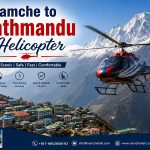
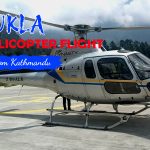
The Lukla to Kathmandu helicopter flight is the most frequently booked leg in the entire region. It covers trekkers who walked in but want a faster return, or those rebooking after a fixed-wing flight gets delayed by weather.
Further up the valley, descending trekkers choose between a Gorakshep to Lukla helicopter hop or flying the full Gorakshep to Kathmandu helicopter route in one leg, depending on how much of the walk down they still want to do on foot.
Trekkers who cut a trip short partway down often book a Pheriche to Lukla helicopter or Pheriche to Kathmandu helicopter flight instead. Both save a full trekking day compared with walking back through Namche.
Each of these routes needs its own weight check and weather call, since altitude and helipad conditions differ village to village.
Pairing a Trek With a Helicopter Return
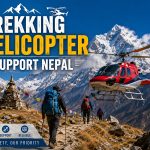
A growing number of travelers choose an everest base camp trek with helicopter return. You walk in through the villages, acclimatize properly on the ascent, then fly out from near Base Camp instead of retracing the same trail downhill.
This approach keeps the physical and cultural experience of the trek intact. However, it removes the repetitive lower stretch of the walk, which many trekkers find the least rewarding part of the whole itinerary.
It also works well for travelers with a tight return flight home, since it removes two full trekking days of schedule risk.
What Actually Sets the Price?
Four factors move the price of any helicopter transport booking in Nepal.
- Route length and altitude: Longer distances and higher landing points cost more, because thinner air reduces how much weight a helicopter can safely carry.
- Private charter versus shared group seats: A private charter gives you your own departure time. Group sharing splits the cost across passengers heading the same direction, which suits solo travelers and pairs.
- Luggage weight: Most flights cap baggage between 10kg and 15kg per person. Soft duffel bags pack more efficiently than hard suitcases at these limits.
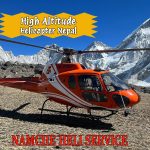
- Aircraft type: High-altitude routes typically use the Airbus AS350 B3 or H125, since these airframes hold better power reserves above 3,000m than lighter models.
We always quote based on your actual route, group size, and season, because listed prices online rarely reflect current fuel and demand conditions.
Regulation, Permits and Travel Insurance
The Civil Aviation Authority of Nepal (CAAN) licenses every commercial helicopter operator and sets the maintenance, training, and weather standards each company must follow. This applies to sightseeing tours and rescue flights alike.
Flying does not exempt you from park paperwork. You still need the relevant national park entry permit and municipality fee for the region you fly into, since these apply regardless of how you arrive.
Insurance deserves particular attention! That’s because standard travel policies frequently exclude helicopter evacuation, and many cap coverage below the altitude of major trekking routes.
So, confirm your policy explicitly covers helicopter rescue and repatriation before you travel, not after something goes wrong on the mountain!
Timing a Flight Around Nepal’s Weather
Spring (March to May) and autumn (September to November) offer the clearest, most stable flying conditions across the Everest region. Winter flights run cold but generally steady, since storm systems are less frequent.
Monsoon months, from June through August, bring the highest chance of delay. Morning departures, generally before 9am, give pilots the calmest window before afternoon cloud and thermal winds build over the valleys.
Building one buffer day into your schedule protects against a grounded flight, particularly if your international departure is tight.
Booking Through Namche Heli Service!
We coordinate helicopter transport across the Khumbu directly, rather than relying on secondhand availability from Kathmandu.
Send us your dates, group size, and preferred route, whether that is a scenic tour, a trekking transfer, or a full charter, and we confirm pricing and aircraft availability the same day.
Because we track local wind patterns and helipad conditions ourselves, we can flag realistic weather risk before you commit to an itinerary, not after you have already paid for one!
Latest Blog Posts
Latest travel tips and blog covering all travel experiences
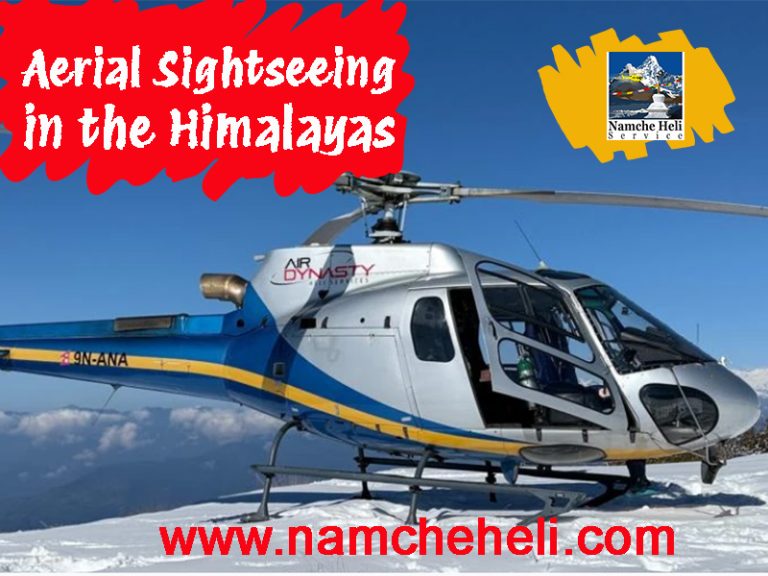
Aerial Sightseeing in the Himalayas: A Route-by-Route Guide
Aerial sightseeing in the Himalayas means something different depending on who you ask. For some travelers, it is a 45-minute loop over the Kathmandu Valley. For others, it means landing at 5,545 meters with Everest…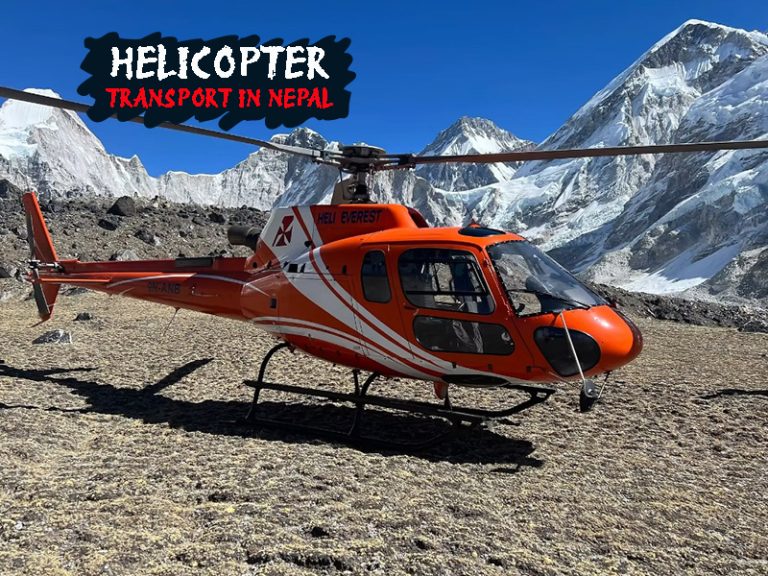
Helicopter Transport Nepal: How the Booking Actually Works?
Helicopter transport in Nepal covers a wider range of services than most first-time visitors expect! It is not just Everest sightseeing. It includes mountain charters, trekking transfers, cargo runs to villages with no road access,…