Weather Factors Impacting Helicopter Flights
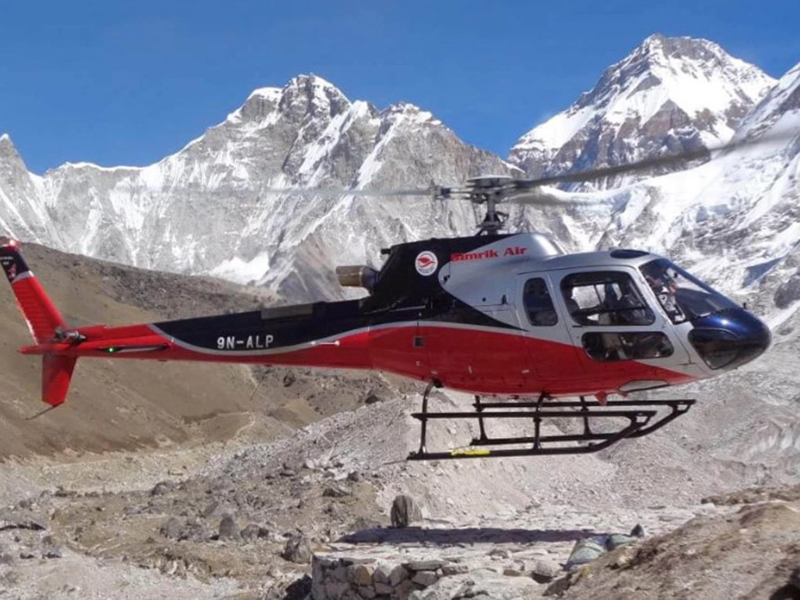
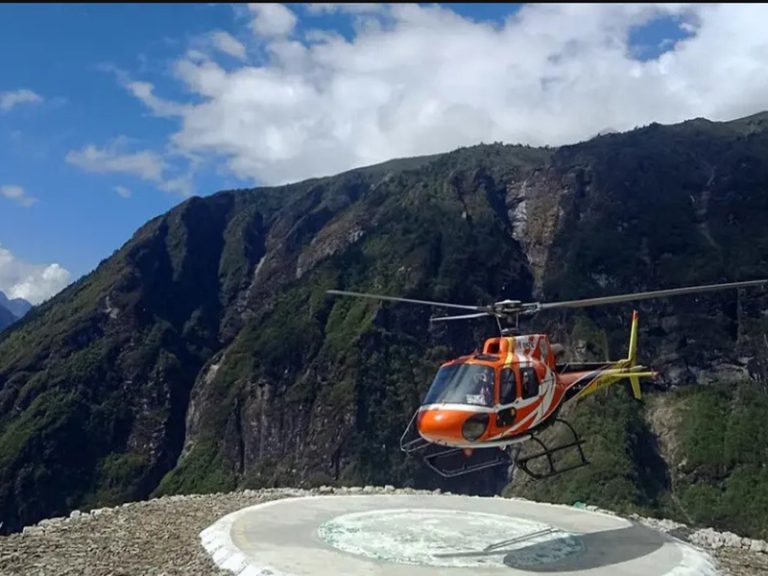
Flying in a helicopter over the Himalayas is one of the most exhilarating and scenic experiences on Earth—especially when you’re soaring toward the majestic Mount Everest. However, unlike regular airplane flights, helicopter tours are far more sensitive to changing weather conditions. In high-altitude regions like the Everest or Annapurna zones, weather plays a critical role in flight safety, visibility, and overall experience. In this blog post, we’ll explore the key weather factors that impact helicopter flights in Nepal and why understanding them is crucial for planning your aerial adventure.
Visibility – Clear Skies Are a Must
Why it matters: Helicopter pilots rely heavily on visual navigation, especially in the mountainous terrain of Nepal. Low clouds, fog, or mist can reduce visibility to dangerous levels, making it unsafe to fly.
When it’s a problem:
- During early mornings in monsoon and winter months.
- After rainstorms or snowfall.
- In areas surrounded by high peaks that can trap cloud cover.
Solution: Most helicopter flights are scheduled early in the morning when skies are clearest and weather is most stable.
Wind Speed and Turbulence
Why it matters: Strong winds can make flying through narrow Himalayan valleys risky. Turbulence near ridges and cliffs can affect flight stability, especially during landing at high-altitude locations like Kalapatthar or Everest Base Camp.
When it’s a problem:
- In the afternoon, when wind activity typically increases.
- During the transition months (May and November), which can bring unexpected gusts.
- At very high altitudes (above 4,500 meters), where air is thinner and less stable.
Solution: Pilots may cancel or reroute flights if wind conditions exceed safe limits. Always trust their judgment—they prioritize your safety.
Rainfall and Monsoon Conditions
Why it matters: Rain not only reduces visibility but also creates slippery landing zones and increases the risk of cloud cover forming quickly. Heavy rains during the monsoon can also cause flight cancellations or delays.
When it’s a problem:
- June to August (monsoon season).
- Even short showers can temporarily ground helicopters due to rapid weather shifts.
Solution: Avoid booking tours during the peak monsoon unless you’re extremely flexible with dates.
Snowfall and Ice
Why it matters: Snowstorms and icy conditions can block landing zones, reduce visibility, and add weight or stress to helicopter rotors and engines.
When it’s a problem:
- December to February (winter season).
- After heavy snowfalls near locations like Kalapatthar, Gokyo Ri, or Annapurna Base Camp.
Solution: Winter flights can be spectacularly beautiful but require careful weather monitoring and often more flexible scheduling.
Cloud Cover and Ceiling Height
Why it matters: The “ceiling” is the height from the ground to the lowest layer of clouds. Helicopters need enough vertical space to fly safely above obstacles like ridges and peaks.
When it’s a problem:
- During cloudy or foggy days.
- In deep valleys like Namche Bazaar or the Langtang region, where cloud ceilings can be very low.
Solution: Pilots may adjust the route or delay the flight until cloud cover lifts. Early morning flights help minimize this risk.
Temperature and Air Density
Why it matters: At high altitudes, colder temperatures and lower air pressure reduce engine performance and rotor efficiency. This limits how much weight a helicopter can safely carry, especially at spots like Kalapatthar (5,545m).
When it’s a problem:
- At very high altitudes, especially in winter.
- If passengers or luggage exceed weight restrictions.
Solution: Helicopters often fly with limited passengers or make brief stops to minimize exposure to thin air.
Whether you’re flying to Everest Base Camp or exploring the Annapurna range, weather is the single biggest factor that determines if and when you can fly. This is why operators schedule most flights early in the day and always keep a close eye on real-time forecasts. The unpredictable nature of mountain weather means flexibility, patience, and safety must be part of your journey.
A helicopter flight over the Himalayas is unforgettable—but only if the weather allows. Respecting nature and understanding its impact on your flight plans will ensure a safer and more enjoyable adventure. So plan wisely, stay flexible, and get ready to witness the Himalayas from above like never before.
Latest Blog Posts
Latest travel tips and blog covering all travel experiences

Trekking in Nepal
Trekking in Nepal: The Ultimate Guide to Himalayan Adventures Trekking in Nepal is one of the most unforgettable travel experiences in the world. Known for its stunning Himalayan landscapes, rich culture, and diverse trekking routes,…
Lukla to Kathmandu Helicopter Flights
Lukla to Kathmandu Helicopter Flight – The Best Way to Return from the Himalayas For many trekkers, the journey to Everest Base Camp or the Khumbu region ends in Lukla, a bustling mountain town perched…