
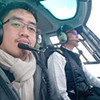

Heli Rescue in Nepal is a vital service for trekkers, climbers, and travelers navigating the high-altitude and often unpredictable terrain of the Himalayas. Nepal’s mountainous regions, including the Everest, Annapurna, and Langtang areas, attract adventurers from around the world, but these areas also pose significant risks, such as altitude sickness, sudden weather changes, avalanches, injuries, or illnesses. In such emergencies, a timely helicopter rescue can be life-saving.
Helicopter rescue operations in Nepal are conducted by professional aviation companies equipped with modern helicopters and experienced pilots trained for high-altitude flights. Services often include immediate medical evacuation, rapid transport to nearby hospitals, and assistance with first aid and oxygen support. These helicopters can reach remote settlements, high mountain trails, and even challenging glacier zones where conventional rescue methods would be too slow or impossible.
The cost of a heli rescue in Nepal can be high, but it is widely considered essential insurance for trekkers on high-risk routes such as the Everest Base Camp trek, Annapurna Circuit, or Manaslu Circuit Trek. Many trekking agencies recommend purchasing travel insurance that specifically covers high-altitude helicopter evacuations to avoid financial and logistical difficulties during emergencies.
Nepal’s heli rescue services have saved countless lives, especially in situations where weather conditions or health emergencies prevent trekkers from descending on foot. Companies like Namche Heli Service Pvt. Ltd. and others provide prompt and reliable operations, working closely with local authorities and hospitals to ensure the safety of adventurers.
Overall, heli rescue in Nepal is an indispensable part of mountain tourism. For anyone trekking, climbing, or exploring the Himalayas, awareness of heli rescue options and proper preparation can make the difference between a safe adventure and a life-threatening situation, providing peace of mind amid Nepal’s majestic but challenging landscapes.
Life-Saving Helicopter Evacuations in the Himalayas
Life-Saving Helicopter Evacuations in the Himalayas are a critical service for trekkers and climbers exploring Nepal’s high-altitude trails. Whether you are on the Everest Base Camp trek, the Annapurna Base Camp trek, or the Gokyo Lake trek, emergencies such as altitude sickness, injuries, sudden illness, or unexpected weather can occur. In these situations, a prompt helicopter evacuation can be the difference between life and death.
Professional companies like Namche Heli Service Pvt. Ltd. provide reliable, high-altitude helicopter rescue services across Nepal. Equipped with modern helicopters and experienced pilots familiar with the challenging Himalayan terrain, they can reach remote locations including Gorakshep near Everest, Machapuchare Base Camp in Annapurna, and the high-altitude Gokyo Lakes region. Their helicopters are often equipped with oxygen, first-aid supplies, and essential rescue equipment, allowing them to stabilize patients during flight.
These helicopter evacuations are especially crucial on popular trekking routes. The Everest Base Camp trek exposes trekkers to extreme altitudes and unpredictable weather, while the Annapurna Base Camp trek involves rugged trails and rapid weather changes. Similarly, the Gokyo Lake trek takes adventurers to high mountain lakes and glaciers where immediate ground evacuation may be impossible. Heli rescue services ensure that injured or ill trekkers are quickly transported to medical facilities in Lukla, Pokhara, or Kathmandu, saving precious time.
While helicopter rescue can be costly, it is highly recommended for trekkers in remote high-altitude areas. Travel insurance covering emergency evacuation is essential. Namche Heli Service Pvt. Ltd. has established a reputation for professionalism, safety, and rapid response, making it a trusted partner for adventurers in Nepal.
Overall, life-saving helicopter evacuations provide peace of mind for trekkers on the Everest Base Camp trek, Annapurna Base Camp trek, and Gokyo Lake trek, ensuring that help is always available in Nepal’s breathtaking but challenging Himalayan landscapes.
Trip Itinerary
Outline Itinerary
Rescue From (Everest Area)
Mt Everest to Lukla/Kathmandu
Gorakshep to Lukla/Kathmandu
Lobuche to Lukla/Kathmandu
Pheriche to Lukla/kathmandu
Gokyo to Lukla/Kathmandu
Mera to Lukla/Kathmandu
Khare to Lukla/ Kathmandu
Rescue from From Annapurna Area
Rescue From Langtang Area
Rescue from Manasulu Area
Details Itinerary
Cost Details
Key Factors That Influence the Cost
The total cost of a helicopter rescue can vary widely depending on several factors:
| Cost Factor | Description |
| Distance flown | Longer flights -higher charges (per km or per minute) |
| Location & terrain | Mountains or high altitude require special equipment |
| Service urgency | Night, bad weather, or high demand may increase price |
| Aircraft type | Advanced medical helicopters cost more |
| Medical care required onboard | Critical care / paramedic support increases cost |
| Fuel and logistics | Remote base deployment adds additional expenses |
Typical Helicopter Rescue Cost Ranges
These are example ranges, to help website visitors understand expected expenses. Actual costs should be customized based on service provider and location.
Standard Helicopter Rescue (Per Incident)
- Local rescue callout: USD $1,000 – $3,500
- Short distance evacuation (up to 50 km): USD $3,000 – $6,000
- Mid-range evacuation (50 – 150 km): USD $6,000 – $12,000
- Long range or complex rescue (150+ km): USD $12,000+
Additional Considerations
- Night or adverse weather operations: +15% to +30%
- Advanced medical team onboard: +$1,000 – $2,000 per mission
- High altitude or technical winch rescue: premium pricing applies
Note: These numbers are illustrative and may vary by country, helicopter provider, and current operating costs.
What’s Included in a Typical Heli Rescue Service
When you book a helicopter rescue, most providers include:
Rapid dispatch to the incident site
Highly trained pilot and rescue team
Medical support (basic to advanced life support)
Patient stabilization and transport
Fuel & operational costs
Communication with ground medical teams
Depending on the provider, some premium services include:
- Dedicated medical specialist onboard
- Intensive care unit (ICU) capability in flight
- Coordination with hospitals and ground ambulances
FAQ
The cost of helicopter rescue in Nepal is substantial and varies based on distance, altitude, and urgency. In 2026, a standard evacuation from Namche Bazaar to Kathmandu costs approximately $3,000 to $5,000. Rescues from higher elevations, such as Everest Base Camp (above 5,000m), typically range from $6,000 to $10,000, while missions in extremely remote areas like Kanchenjunga or Makalu can exceed $10,000.
These high prices are due to limited aircraft fleets, operational challenges like thin air, and the high cost of maintaining specialized high-altitude helicopters like the Airbus H125.
Standard travel insurance often excludes high-altitude trekking; therefore, trekkers must ensure their policy explicitly covers altitudes up to at least 6,000 meters. Essential coverage should include a minimum of $100,000 for emergency medical evacuation and another $100,000 for medical treatment. It is critical to verify if the policy offers “direct billing” or “cashless rescue,” as many operators otherwise require upfront payment or an insurance guarantee before dispatching a helicopter. Policies must also include a dedicated clause for helicopter evacuation, not just general medical coverage.
While helicopters can fly high, they are limited by physics. Most reliable rescue operations occur between 5,364m (Base Camp) and 6,400m (Camp 2). Above 6,400m, the air becomes too thin to provide sufficient rotor lift, making landings and takeoffs extremely difficult. While specialized aircraft like the AS350 B3e are certified for higher altitudes, rescues above 7,800m are considered nearly impossible and highly unreliable. Most practical rescue work stays below 7,000m, and pilots typically only have a 3 to 8-minute hover window in these extreme high zones.
Weather is the most significant factor in determining if a rescue can proceed. Pilots operate under Visual Flight Rules (VFR), meaning they must be able to see and avoid terrain at all times. Rescues are frequently delayed or canceled due to unpredictable Himalayan weather, including clouds, thick fog, strong winds, or whiteout conditions. Morning windows (6:00 AM to 10:00 AM) are preferred because the air is colder and denser, providing better lift. In late 2026, new safety regulations officially banned commercial flights during whiteout or thick fog conditions to reduce risks.
It is vital to distinguish these two clauses in your insurance policy. Medical Evacuation covers the cost when you are sick (e.g., AMS, HAPE, HACE) or injured and a doctor deems a helicopter flight necessary for treatment. Search and Rescue (SAR) covers the costs associated with finding you if you are lost, missing, or trapped by natural disasters like landslides or blizzards, even if you are not yet physically injured. Some policies treat these as separate categories, so trekkers should ensure both are included for complete protection.
To initiate a rescue, you must provide precise details to your trekking agency or the helicopter operator. This includes the patient’s exact GPS coordinates, altitude, and current medical condition (degree of urgency). You must also provide the patient’s name, age, nationality, passport number, and insurance details. If a doctor or specialized medical equipment like a neck brace or supplementary oxygen is needed on the flight, this must be stated immediately. Most operators also require a guarantee of payment via insurance confirmation or a credit card before departure.
Route Map
Client Reviews

Jan
Pat
We decided to fly by helicopter from Namche Bazaar to Kathmandu. This avoided having to walk to Lukla and then having a long bumpy ride from Ramechhap airport back into Kathmandu. Also then we could get a flight from Kathmandu airport to Pokhara. All the arrangements were made by Easy Flight Travel. We were escorted up to the helipad and helped into the helicopter. I would definitely recommend Easy Flight Travel to anyone wanting to organise travel from Namche Bazaar
Iveta D

Paul T
Raju from Easy Flight Travel is honest reliable and very friendly to deal with.
You can trust him to arrange a flight, recommend a hotel, or carry out safe honest mony change. What he agrees to will happen.
Highly recommended.
- BOOK NOW
- Inquiry
Raju was efficient and helpful in booking our helicopter from Namche Bazaar to Kathmandu and our flight onto Pokhara. He was there in the morning to escort us and to carry a pack up to the helicopter pad. The flight was delayed, but he waited with us and was in contact with the company, checking on when the flight would arrive.