
Everest Base Camp Trek – Complete Guide, Itinerary, Cost & Best Time
The Everest Base Camp Trek is one of the most popular trekking adventures in Nepal. This world-famous trek takes you through the stunning Khumbu region to the base of Mount Everest (8,848.86 m), offering breathtaking Himalayan views, rich Sherpa culture, and an unforgettable high-altitude experience.
Overview of Everest Base Camp Trek
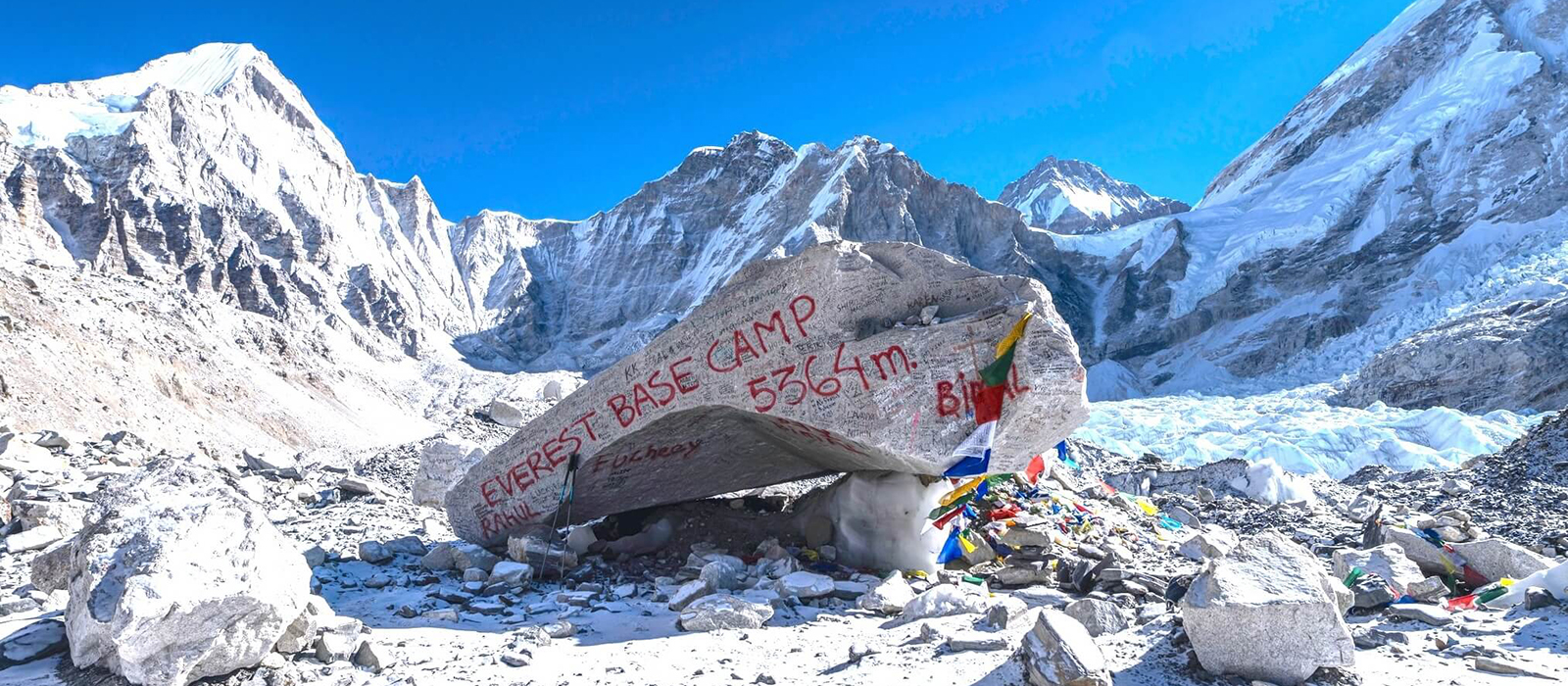
The Everest Base Camp (EBC) Trek reaches an altitude of 5,364 meters (17,598 feet) and passes through Sagarmatha National Park, a UNESCO World Heritage Site. The trek starts with a scenic flight from Kathmandu to Lukla and continues through traditional mountain villages and alpine landscapes.
Everest Base Camp Trek Itinerary
Typical 12-Day Everest Base Camp Trek Route
- Day 1: Kathmandu to Lukla – Trek to Phakding
- Day 2: Phakding to Namche Bazaar
- Day 3: Acclimatization Day at Namche Bazaar
- Day 4: Namche Bazaar to Tengboche
- Day 5: Tengboche to Dingboche
- Day 6: Acclimatization Day at Dingboche
- Day 7: Dingboche to Lobuche
- Day 8: Lobuche to Gorak Shep – Everest Base Camp
- Day 9: Kala Patthar Hike – Descend to Pheriche
- Days 10:Pheriche to Namche
- Days 11: Namche to Lukla
- Days 12: Lukla to Kathmandu Flight
Best Time to Trek Everest Base Camp
Spring Season (March to May)
- Stable weather and clear skies
- Best time for mountain photography
- Rhododendron forests in bloom
Autumn Season (September to November)
- Dry weather and excellent visibility
- Ideal trekking temperatures
- Peak trekking season in Nepal
Everest Base Camp Trek Difficulty Level
The Everest Base Camp Trek difficulty is moderate to challenging. While no technical climbing is required, trekkers must be prepared for:
- Long walking days
- High altitude
- Cold temperatures
Proper acclimatization and physical fitness are essential.
Cost of Everest Base Camp Trek
The cost of Everest Base Camp Trek generally ranges from USD 1,200 to USD 2,500, depending on:
- Trek duration
- Guide and porter services
- Accommodation and meals
- Domestic flights and permits
Highlights of Everest Base Camp Trek
Major Attractions Along the Route
- Panoramic views of Mount Everest, Ama Dablam, Lhotse, and Nuptse
- Sunrise hike to Kala Patthar (5,545 m)
- Cultural experience in Sherpa villages
- Visit to Tengboche Monastery
- Trekking in Sagarmatha National Park
Packing List for Everest Base Camp Trek
Essential Trekking Gear
- Warm layered clothing
- Waterproof trekking boots
- Sleeping bag (−10°C to −15°C)
- Trekking poles
- Sunglasses, sunscreen, and gloves
- Basic first-aid kit
Physical Preparation for Everest Base Camp Trek
Trekkers should prepare with:
- Regular cardio training
- Hiking with a backpack
- Gradual altitude acclimatization
Why Choose the Everest Base Camp Trek?
The Everest Base Camp Trek in Nepal is a perfect blend of adventure, natural beauty, and cultural discovery. Reaching the base of the world’s highest mountain is a powerful achievement and a dream journey for trekkers from around the globe.
Trip Itinerary
Details Itinerary
Cost Details
FAQ
The Everest Base Camp Trek is one of the world’s most iconic trekking adventures, leading travelers to the foot of Mount Everest, the highest mountain on Earth. The journey passes through Sherpa villages, suspension bridges, monasteries, and dramatic alpine landscapes inside Sagarmatha National Park. Trekkers experience both natural beauty and rich Himalayan culture. Reaching Everest Base Camp at 5,364 meters is a major achievement, offering close-up views of glaciers and surrounding peaks, making it a bucket-list trek for adventurers worldwide.
The trek is considered moderately challenging. It does not require technical climbing skills, but the high altitude, long walking days, and rugged terrain demand good physical fitness. Trekkers typically walk 5–7 hours daily, ascending gradually through villages such as Namche Bazaar and Dingboche. The biggest challenge is altitude rather than steepness. With proper training, pacing, and acclimatization, beginners with determination can successfully complete the trek and enjoy the extraordinary Himalayan scenery.
Most Everest Base Camp trekking itineraries last between 10 and 12 days, depending on acclimatization needs and travel arrangements. The adventure begins with a dramatic flight to Tnzing-Hillary Airport in Luklae, followed by gradual trekking toward base camp. Extra acclimatization days are usually scheduled in Namche Bazaar and Dingboche to reduce altitude sickness risk. Some itineraries may be shorter or longer depending on side trips, weather conditions, or whether trekkers choose alternative return options such as helicopter flights.
Trekkers need two primary permits: the Sagarmatha National Park Entry Permit and the Khumbu Pasang Lhamu Rural Municipality Permit. Since the route lies within Sagarmatha National Park, these permits are mandatory and checked at multiple checkpoints. They can be obtained in Kathmandu or at entry points along the trail, though most travelers arrange them through trekking agencies. The fees support conservation efforts and local communities, helping protect the fragile mountain environment and maintain trekking infrastructure.
The best seasons are spring (March–May) and autumn (September–November). During these periods, weather conditions are stable, temperatures are moderate, and mountain views are exceptionally clear. Trekkers can enjoy stunning panoramas of peaks such as Lhotse and Ama Dablam. Spring offers blooming rhododendrons, while autumn provides crisp air after the monsoon. Winter is very cold with snow-covered trails, and the summer monsoon brings rain, clouds, and slippery paths, reducing visibility and overall comfort.
Accommodation along the trail is mainly in teahouses—simple mountain lodges run by local families. These lodges offer basic twin rooms, shared bathrooms, and communal dining halls heated by stoves. Popular overnight stops include Phakding, Lobuche, and Gorak Shep. Meals typically include Nepali dal bhat, soups, noodles, and hot drinks. While facilities become more basic at higher altitudes, the warm hospitality and stunning surroundings create a comfortable trekking experience.
Yes, altitude sickness is one of the main risks because the trek reaches elevations above 5,000 meters. Symptoms may include headache, nausea, dizziness, and fatigue. Proper acclimatization days, especially in Namche Bazaar, are essential to help the body adjust. Trekkers are advised to ascend slowly, stay hydrated, and listen to their guide’s advice. Severe symptoms require immediate descent. Awareness and preparation greatly reduce risks, allowing most trekkers to complete the journey safely.
While experienced trekkers can navigate independently, hiring a licensed guide and porter is highly recommended. Guides provide route knowledge, safety support, cultural insights, and assistance in emergencies, while porters carry heavy luggage, allowing trekkers to walk comfortably. The trail passes through remote mountain terrain, and weather conditions can change quickly. Hiring local staff also supports the regional economy. Many trekking agencies offer professional services that enhance both safety and enjoyment throughout the journey.
Teahouses serve a wide variety of nutritious meals designed to sustain trekkers at high altitude. The staple dish is dal bhat (rice, lentils, vegetables, and pickles), which provides energy and is often offered with unlimited refills. Other options include noodles, pasta, potatoes, soups, eggs, pancakes, and hot drinks like tea and coffee. Meat is available at lower elevations but less common higher up due to transport challenges. Vegetarian meals are widely available and often recommended for freshness and easier digestion.
The trek offers numerous unforgettable highlights, including panoramic mountain views, Sherpa culture, and dramatic landscapes. Key attractions include the vibrant trading hub of Namche Bazaar, ancient monasteries such as Tengboche Monastery, and the breathtaking viewpoint of Kala Patthar. Standing at Everest Base Camp itself is a life-changing moment, surrounded by towering peaks and the Khumbu Glacier, creating memories that last a lifetime.
Temperatures vary depending on season and altitude. At lower elevations, daytime temperatures can be mild, but nights become increasingly cold as you ascend. Above 4,000 meters, nighttime temperatures often drop below freezing, especially near Lobuche and Gorak Shep. Winter conditions can be extremely cold, with temperatures falling well below −15°C. Proper clothing, including thermal layers, down jackets, gloves, and hats, is essential to stay warm and comfortable throughout the trek.
The Everest Base Camp Trek combines adventure, natural beauty, and cultural immersion in one extraordinary journey. It allows trekkers to walk in the shadow of the world’s highest peak without requiring mountaineering skills. The route offers diverse landscapes, from lush forests to high alpine terrain, along with deep insights into Sherpa traditions and Himalayan Buddhism. A
chieving the goal of reaching base camp provides a strong sense of accomplishment, making it one of the most sought-after trekking experiences on Earth.
Route Map
Client Reviews
Jan
Pat
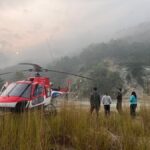
We decided to fly by helicopter from Namche Bazaar to Kathmandu. This avoided having to walk to Lukla and then having a long bumpy ride from Ramechhap airport back into Kathmandu. Also then we could get a flight from Kathmandu airport to Pokhara. All the arrangements were made by Easy Flight Travel. We were escorted up to the helipad and helped into the helicopter. I would definitely recommend Easy Flight Travel to anyone wanting to organise travel from Namche Bazaar
Iveta D

Paul T
Raju from Easy Flight Travel is honest reliable and very friendly to deal with.
You can trust him to arrange a flight, recommend a hotel, or carry out safe honest mony change. What he agrees to will happen.
Highly recommended.
- USD 1400Per Person
- Inquiry
Raju was efficient and helpful in booking our helicopter from Namche Bazaar to Kathmandu and our flight onto Pokhara. He was there in the morning to escort us and to carry a pack up to the helicopter pad. The flight was delayed, but he waited with us and was in contact with the company, checking on when the flight would arrive.