
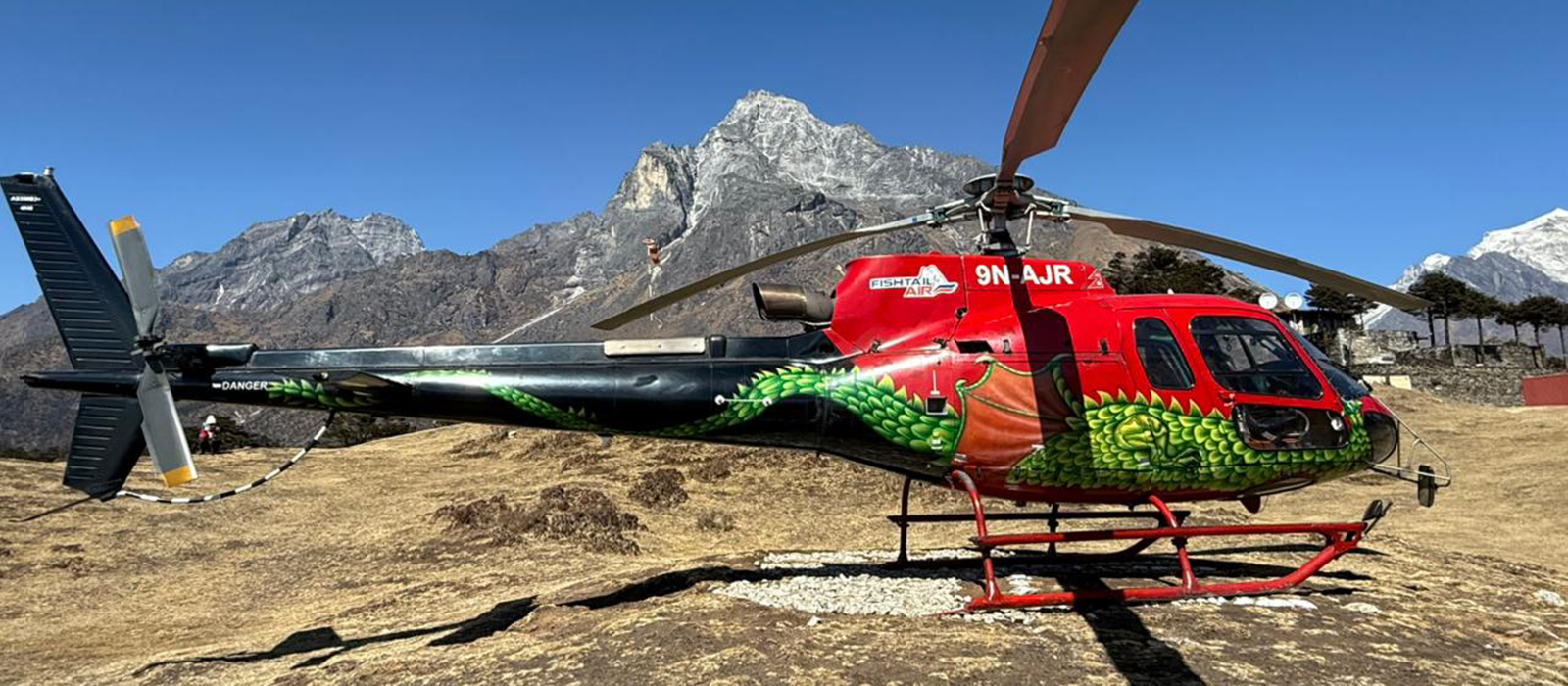
The Everest Cho La Pass Trek is one of the most exciting and adventurous trekking routes in the Everest region of Nepal. This trek combines the classic journey to Everest Base Camp with the challenging crossing of Cho La Pass, offering trekkers stunning mountain scenery, unique culture, and unforgettable experiences.
The journey usually begins with a scenic flight to Lukla, followed by a trek through beautiful Sherpa villages such as Namche Bazaar and Dingboche. Along the way, trekkers can explore ancient monasteries, colorful prayer flags, and traditional mountain lifestyles. The route also passes through Sagarmatha National Park, a UNESCO World Heritage Site known for its rich biodiversity and breathtaking Himalayan landscapes.
One of the main highlights of the trek is crossing the high mountain pass, Cho La Pass, which sits at an altitude of about 5,420 meters. From the pass, trekkers enjoy spectacular views of towering peaks including Mount Everest, Lhotse, and Ama Dablam.
After crossing the pass, the trail leads to the stunning turquoise waters of Gokyo Lakes, another highlight of the trek. The Everest Cho La Pass Trek is perfect for adventure lovers who want to experience high mountain passes, breathtaking Himalayan views, and the rich culture of the Everest region.
Highlights of the Everest Cho La Pass Trek
The Everest Cho La Pass Trek is one of the most rewarding trekking adventures in the Himalayas, offering a perfect combination of breathtaking mountain scenery, high mountain passes, and unique Sherpa culture. Located in the Everest region of Nepal, this trek provides an unforgettable journey through some of the most spectacular landscapes in the world.
One of the main highlights of the trek is the visit to Everest Base Camp, the base of the world’s highest mountain, Mount Everest. Trekkers walk along the famous Khumbu trail, passing through beautiful Sherpa villages such as Namche Bazaar, the vibrant gateway to the Everest region. Here, trekkers can experience the rich culture, local markets, and panoramic mountain views.
Another major highlight is the challenging crossing of Cho La Pass at an altitude of about 5,420 meters. This high mountain pass connects the Everest Base Camp Trek with the stunning Gokyo Valley. From the top of the pass, trekkers are rewarded with incredible views of snow-covered peaks and glaciers.
The trek also includes a visit to the magnificent Gokyo Lakes, a series of turquoise glacial lakes surrounded by towering mountains. Climbing Gokyo Ri offers one of the best panoramic viewpoints in the Everest region, where trekkers can admire peaks like Lhotse and Ama Dablam.
Throughout the journey, trekkers travel inside Sagarmatha National Park, a UNESCO World Heritage Site known for its dramatic Himalayan landscapes, glaciers, and diverse wildlife. These incredible highlights make the Everest Cho La Pass Trek a truly unforgettable Himalayan adventure.
Best Time and Difficulty of Everest Cho La Pass Trek
The Everest Cho La Pass Trek is an adventurous Himalayan journey that combines the classic Everest Base Camp route with the thrilling crossing of Cho La Pass. Choosing the right season and understanding the trek’s difficulty are important for a safe and enjoyable experience in the Everest region of Nepal.
The best time to do the Everest Cho La Pass Trek is during the spring (March to May) and autumn (September to November). During spring, the weather is generally stable, and trekkers can enjoy blooming rhododendron forests along with clear views of towering peaks like Mount Everest, Lhotse, and Ama Dablam. Autumn is also an excellent season because the skies are usually clear after the monsoon, providing breathtaking panoramic views and comfortable trekking temperatures.
Winter trekking is possible but can be very challenging due to heavy snowfall and extremely cold temperatures, especially around the high pass. The summer monsoon season is generally less popular because of rain, slippery trails, and limited mountain views.
In terms of difficulty, the Everest Cho La Pass Trek is considered a moderate to challenging trek. The route reaches high altitudes above 5,000 meters, including a visit to Everest Base Camp and the crossing of Cho La Pass at about 5,420 meters. Trekkers need good physical fitness, proper acclimatization, and previous trekking experience to complete the journey safely.
For trekkers seeking comfort and flexibility, Namche Heli Service Pvt. Ltd. offers professional trekking support and helicopter services in the Everest region, helping travelers experience this incredible adventure.
Trip Itinerary
Outline Itinerary
- Day 01: Kathmandu to Lukla (2800m)
- Day 02: Phakding to Namche Bazaar (3440m)
- Day 03: Acclimatization Day at Namche Bazaar
- Day 04: Namche Bazaar to Tengboche (3860m)
- Day 05: Tengboche to Dingboche (4410m)
- Day 06: Acclimatization Day at Dingboche
- Day 07: Dingboche to Lobuche (4910m)
- Day 08: Lobuche to Gorak Shep (5170m), and to Everest Base Camp (5364m)
- Day 09: Gorak Shep to Zhong la (4800m) 7-8 hrs
- Day 10: Zhong la to Thangnak 4800m Via Cho La pass (5400m) 9-10 hrs
- Day 11: From Thangnak to Gokyo Lake (4750m) 4 hrs
- Day 12: From Gokyo Lakes Hike Up Gokyo Ri (5360m) and trek to Machhermo
- Day 13: Machhermo to Namche Bazaar (3440m)
- Day 14: Namche bazar to Lukla (2850m) 6-7 hrs
- Day 15: From Lukla fly to Kathmkandu 30 minutes
Details Itinerary
Day 01: Kathmandu to Lukla (2800m)
begins with an exciting flight from Kathmandu to Lukla (2,800m), the gateway to the Everest region of Nepal. The scenic mountain flight offers breathtaking views of the Himalayas. After landing, trekkers start a short and pleasant walk through beautiful villages and forests, beginning the unforgettable journey toward the Everest region.
- Accommodation: Stay Overnight at Lodge
- Meals Include: Lunch & Dinner
Day 02: Phakding to Namche Bazaar (3440m)
trek from Phakding to Namche Bazaar (3,440m) inside Sagarmatha National Park in Nepal. The trail follows the Dudh Koshi River, crossing several suspension bridges and passing through beautiful pine forests and Sherpa villages. After a steady uphill climb, trekkers reach Namche Bazaar, the vibrant trading hub of the Everest region with stunning Himalayan views.
- Accommodation: Stay Overnight at Lodge
- Meals Include: Breakfast, Lunch & Dinner
Day 03: Acclimatization Day at Namche Bazaar
is an important acclimatization day at Namche Bazaar (3,440m) in the Everest region of Nepal. To adjust to the higher altitude, trekkers take a short hike to nearby viewpoints and villages. A popular hike leads to the Everest View Hotel, where visitors can enjoy spectacular views of Mount Everest, Lhotse, and Ama Dablam. Trekkers can also explore local markets, visit Sherpa museums, and learn about the culture and mountaineering history of the Everest region. This rest day helps the body adapt before continuing the journey to higher elevations.
- Accommodation: Stay overnight at Lodge
- Meals Include: Breakfast, Lunch & Dinner
Day 04: Namche Bazaar to Tengboche (3860m)
trek continues from Namche Bazaar to Tengboche (3,860m) in the Everest region of Nepal. The trail offers stunning views of Mount Everest, Ama Dablam, and Lhotse. Upon arrival, trekkers visit the famous Tengboche Monastery, the largest monastery in the Khumbu region, surrounded by spectacular Himalayan scenery.
- Accommodation: Stay Overnight at Lodge
- Meals Include: Breakfast, Lunch & Dinner
Day 05: Tengboche to Dingboche (4410m)
trek continues from Tengboche to Dingboche (4,410m) in the Everest region of Nepal. The trail passes through beautiful alpine landscapes, stone walls, and traditional Sherpa villages, offering magnificent views of Ama Dablam and surrounding Himalayan peaks along the way.
- Accommodation: Stay Overnight at Lodge
- Meals Include: Breakfast, Lunch & Dinner
Day 06: Acclimatization Day at Dingboche
is an acclimatization day at Dingboche (4,410m), helping trekkers adjust to the high altitude in the Everest region of Nepal. To aid acclimatization, trekkers often hike to nearby ridges, such as Nangkartshang Peak, which offers panoramic views of towering peaks including Island Peak, Ama Dablam, and Lhotse. The day also allows exploration of the village, interaction with Sherpa locals, and visits to small monasteries.
Resting, hydrating, and light activity are crucial on this day, preparing the body for the challenging ascent to higher elevations the following days.
- Accommodation: Stay orvernight at Lodge
- Meals Include: Breakfast, Lunch & Dinner
Day 07: Dingboche to Lobuche (4910m)
trek leads from Dingboche to Lobuche (4,910m) in the Everest region of Nepal. The trail passes rugged terrain, glacial moraines, and yak herding areas, offering stunning views of Thamserku, Nuptse, and the Khumbu Glacier along the way.
- Accommodation: Stay Overnight at Lodge
- Meals Include: Breakfast, Lunch & Dinner
Day 08: Lobuche to Gorak Shep (5170m), and to Everest Base Camp (5364m)
is one of the most exciting days of the Everest Cho La Pass Trek. Trekkers start from Lobuche (4,910m) and make their way to Gorak Shep (5,170m), passing rocky trails and glacial landscapes. Along the way, stunning views of Pumori, Lhotse, and Nuptsse accompany the journey.
After a short rest at Gorak Shep, trekkers continue to the iconic Everest Base Camp (5,364m). Here, they witness the massive Khumbu Glacier and get incredible close-up views of Mount Everest, one of the world’s tallest peaks. The Base Camp offers a sense of achievement and the perfect opportunity for memorable photos. Trekkers then return to Gorak Shep for an overnight stay, preparing for the early morning ascent of Kala Patthar to enjoy panoramic sunrise views over the Himalayas. This day is physically demanding but extremely rewarding for adventure lovers.
- Accommodation: Stay overnight at Lodge
- Meals Include: Breakfast, Lunch & Dinner
Day 09: Gorak Shep to Zhong la (4800m) 7-8 hrs
Early morning hike to Kalapathar Peak (5,545m), one of the most famous viewpoints in the Everest region of Nepal. Kalapathar offers breathtaking panoramic views of Mount Everest, Lhotse, Nuptsse, and surrounding Himalayan peaks. The early morning hike provides spectacular sunrise vistas over snow-capped mountains and glaciers. Standing atop Kalapathar, trekkers experience an unforgettable sense of achievement and witness the grandeur of the Himalayas, making it a highlight of the Everest Cho La Pass Trek before continuing toward Zhong la.
- Accommodation: Stay overight at Lodge
- Meals Include: Breakfast, Lunch & Dinner
Day 10: Zhong la to Thangnak 4800m Via Cho La pass (5400m) 9-10 hrs
challenging but rewarding trek from Zongla to Thangnak (4,800m) via the stunning Cho La Pass (5,420m) in the Everest region of Nepal. Trekkers climb steep snow-covered slopes, cross rocky trails, and navigate glaciers while enjoying breathtaking views of peaks like Ama Dablam and Cholatse. The pass provides an unforgettable panoramic perspective of the surrounding Himalayas.
After descending the pass, trekkers reach Thangnak, a remote village nestled in the valley, where they can rest, recover, and admire the serene alpine landscapes before continuing their journey.
- Accommodation: Stay overnight at lodge
- Meals Include: Breakfast, Lunch & Dinner
Day 11: From Thangnak to Gokyo Lake (4750m) 4 hrs
from Thangnak to the stunning Gokyo Lake (4,750m) in about 4 hours. The trail passes moraine ridges and glacial streams, offering breathtaking views of Ngozumpa Glacier and surrounding peaks, making it a peaceful and scenic segment of the Everest Cho La Pass Trek.
- Accommodation: Stay overnight at Lodge
- Meals Include: Breakfast, Lunch & Dinner
Day 12: From Gokyo Lakes Hike Up Gokyo Ri (5360m) and trek to Machhermo
begins with an early morning hike from Gokyo Lakes to Gokyo Ri Peak (5,357m), one of the most spectacular viewpoints in the Everest region of Nepal. The climb takes about 2–3 hours, rewarding trekkers with panoramic views of the turquoise Gokyo Lakes, the massive Ngozumpa Glacier, and majestic Himalayan peaks including Mount Everest, Lhotse, and Cho Oyu. Standing atop Gokyo Ri, trekkers experience one of the most breathtaking vistas in the world, making it a highlight of the Everest Cho La Pass Trek.
After soaking in the views, the trek continues downhill to Machhermo (4,470m), a peaceful alpine village. The trail passes glacial streams, yak grazing areas, and traditional Sherpa settlements, offering more stunning scenery. This day combines adventure, high-altitude hiking, and cultural immersion, making it unforgettable for trekkers seeking both natural beauty and Himalayan experiences.
- Accommodation: Stay overnight at Lodge
- Meals Include: Breakfast, Lunch & Dinner
Day 13: Machhermo to Namche Bazaar (3440m)
trek descends from Machhermo to Namche Bazaar (3,440m) in the Everest region of Nepal. The route passes through picturesque Sherpa villages, rhododendron forests, and scenic trails along the Dudh Koshi River, offering a refreshing descent and beautiful Himalayan views along the way.
- Accommodation: Stay Overnight at Lodge
- Meals Include: Breakfast, Lunch & Dinner
Day 14: Namche bazar to Lukla (2850m) 6-7 hrs
from Namche Bazaar to Lukla (2,850m) over 6–7 hours. The trail passes through charming Sherpa villages, pine forests, and suspension bridges, offering stunning views of the Himalayas. Trekkers enjoy a rewarding final day in the Everest region before returning to Lukla.
- Accommodation: Stay Overnight at Lodge
- Meals Include: Breakfast, Lunch & Dinner
Day 15: From Lukla fly to Kathmkandu 30 minutes
Lukla back to Kathmandu in a scenic 30-minute flight. The journey offers breathtaking aerial views of the Himalayas, including snow-capped peaks and deep valleys, marking the end of the Everest Cho La Pass Trek and a safe return to the capital.
- Meals Include: Breakfast
Cost Details
Cost Includes
- Domestic flight tickets from Kathmandu to Lukla and back
- Accommodation in tea houses/lodges during the trek
- Full board meals (breakfast, lunch, and dinner) while trekking
- Experienced English-speaking trekking guide and porter services
- Trekking permits: Sagarmatha National Park entry and TIMS card
- Transportation from airport to hotel in Kathmandu
- First aid kit and basic trekking equipment provided by the trekking agency
- 24/7 support from the trekking company
Cost Includes
- International airfare to and from Kathmandu
- Travel insurance (including emergency helicopter evacuation)
- Personal expenses like hot showers, Wi-Fi, snacks, and drinks
- Tips for guides, porters, or staff
- Extra accommodation in Kathmandu before or after the trek
- Equipment rental not included in agency package (e.g., sleeping bags, crampons)
FAQ
The Everest Base Camp Trek via Cho La Pass and Gokyo is an adventurous alternative route in the Everest region that combines the classic base camp journey with the scenic Gokyo Valley. Instead of returning the same way, trekkers cross the challenging Cho La Pass (5,420m) to connect Everest Base Camp with the beautiful turquoise Gokyo Lakes. This route offers dramatic glacier views, fewer crowds, and panoramic mountain scenery, making it ideal for trekkers seeking both adventure and natural beauty.
This trek is considered moderately to highly challenging due to its high altitude and the crossing of Cho La Pass at 5,420 meters. Trekkers walk for 6–8 hours daily on rocky, icy, and sometimes snowy trails. Prior trekking experience and good physical fitness are highly recommended. Proper acclimatization days in places like Namche Bazaar and Dingboche help reduce altitude sickness risk. With preparation and a steady pace, most fit trekkers can successfully complete this adventurous journey.
The Everest Base Camp Trek via Cho La Pass and Gokyo typically takes 16–19 days, depending on the itinerary and acclimatization schedule. The journey usually starts with a flight to Tenzing-Hillary Airport in Lukla. Trekkers visit Everest Base Camp, cross Cho La Pass, explore Gokyo Lakes, and often climb Gokyo Ri for panoramic views. The extra days compared to the standard EBC trek are needed for safe acclimatization and to fully enjoy the diverse landscapes along the route.
Trekkers need the Sagarmatha National Park Entry Permit and the Khumbu Pasang Lhamu Rural Municipality Permit. Since the route lies inside Sagarmatha National Park, obtaining proper documentation is mandatory. Permits can be arranged in Kathmandu or through a registered trekking agency. It is important to carry these permits during the trek, as checkpoints are located along the trail. Having correct permits ensures legal access and contributes to conservation and local community development in the region.
The best seasons are spring (March–May) and autumn (September–November). During these months, the weather is generally stable, skies are clear, and mountain views are spectacular. You can enjoy stunning views of peaks like Mount Everest, Lhotse, and Ama Dablam. Winter brings heavy snow at Cho La Pass 5400m, making crossing more difficult, while the monsoon season can cause slippery trails and limited visibility. Choosing the right season significantly enhances safety and overall trekking experience.
Accommodation along the trail consists mainly of teahouses operated by local Sherpa families. These lodges provide basic but comfortable rooms, shared bathrooms, and warm dining areas. Popular overnight stops include Namche Bazaar, Lobuche, and Gokyo.
Meals typically include Nepali dal bhat, noodles, soups, and Western dishes. Although facilities are simple at higher altitudes, hospitality is warm, and accommodations are adequate for most trekkers.
Yes, altitude sickness is a major concern because the trek reaches elevations above 5,000 meters, including Everest Base Camp and Cho La Pass. Proper acclimatization, hydration, and gradual ascent are crucial. Most itineraries include rest days in Namche Bazaar and Dingboche to help the body adjust. Trekkers should be aware of symptoms such as headache, nausea, and dizziness. If symptoms worsen, descending immediately is essential.
Traveling with an experienced guide increases safety and ensures proper monitoring throughout the trek.
The main difference is the inclusion of Cho La Pass and the scenic Gokyo Valley. Instead of retracing the same route back from Everest Base Camp, trekkers cross a high mountain pass and explore the serene Gokyo Lakes area. The climb to Gokyo Ri offers one of the best panoramic views in the Himalayas, often considered superior to Kala Patthar. This circular route provides diverse landscapes, fewer crowds, and a more adventurous experience compared to the classic out-and-back Everest Base Camp trek.
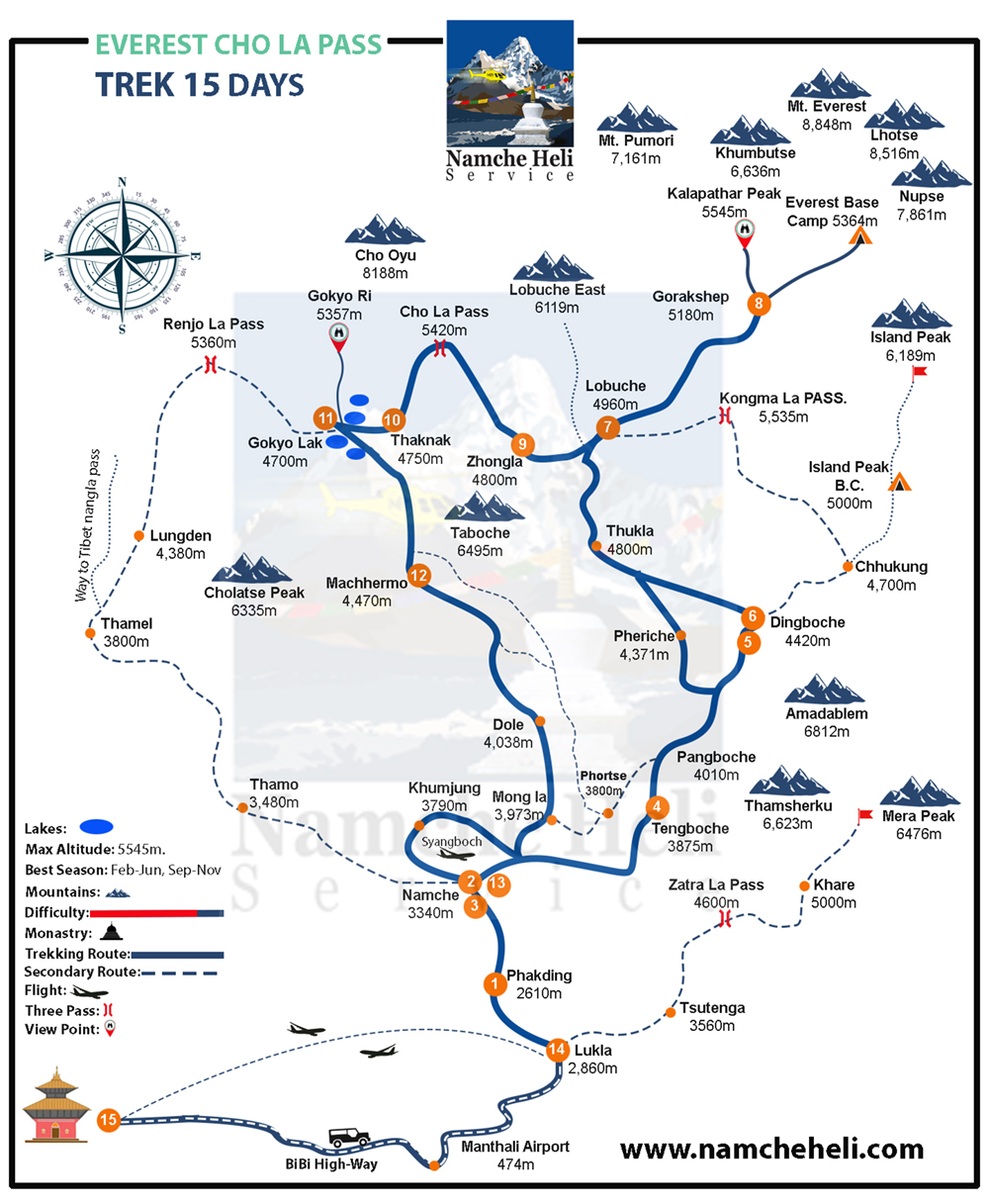
Route Map
Client Reviews
Jan
Pat
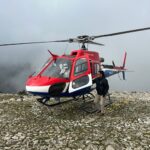
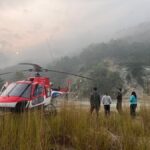
We decided to fly by helicopter from Namche Bazaar to Kathmandu. This avoided having to walk to Lukla and then having a long bumpy ride from Ramechhap airport back into Kathmandu. Also then we could get a flight from Kathmandu airport to Pokhara. All the arrangements were made by Easy Flight Travel. We were escorted up to the helipad and helped into the helicopter. I would definitely recommend Easy Flight Travel to anyone wanting to organise travel from Namche Bazaar
Iveta D

Paul T
Raju from Easy Flight Travel is honest reliable and very friendly to deal with.
You can trust him to arrange a flight, recommend a hotel, or carry out safe honest mony change. What he agrees to will happen.
Highly recommended.
- USD 1350Per Person
- Inquiry
Raju was efficient and helpful in booking our helicopter from Namche Bazaar to Kathmandu and our flight onto Pokhara. He was there in the morning to escort us and to carry a pack up to the helicopter pad. The flight was delayed, but he waited with us and was in contact with the company, checking on when the flight would arrive.